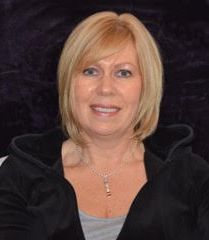
I have completed post graduate training in Reflexology for fertility, pregnancy & menstruation, which was inspired by my own experiences.
After conceiving my son naturally, I found I had an issue conceiving a second time. I underwent several tests and then had four attempts at IVF, two of which successfully fertilised but unfortunately ended in a blighted ovum and I miscarried.
These times were very emotionally draining as well as stressful on the body and reflexology definitely helped me through this period.
Due to my own experiences, I have a very good understanding of what people are going through both physically and emotionally during these times.
During my sessions I use specific music, which has been purposely made to evoke intuitive instinctive emotions in women, to ease the transformation of conception, pregnancy and birth.
Fertility
Reflexology may help couples with fertility problems by promoting blood circulation around the body, strengthening the immune system, balancing the hormone production necessary for conception to occur and promoting good strong health and vitality in the reproductive organs, which includes helping to regulate periods, promote ovulation, reduce PMS, reduce the chances of miscarriage and also help increase sperm quality and quantity.
Fertility problems can be very stressful and a course of reflexology can also provide the relaxation needed to help return the body to its natural balance ready for parenthood.
Ideally 3 months is the best time for couples to start preparing, as it takes this long to produce healthy sperm and 1 month for a healthy egg. Ideally both the male & female partners would have treatments, particularly in the cases of unexplained infertility.
For those couples who have chosen to have IVF, Reflexology can be used to help reduce the stress & emotional unease and help prepare the body physically. Lesley having undergone IVF herself and working with many IVF clients, has a very good understanding of the process and works alongside it to support and enhance the success of the treatment.
A success rate of over 80% with Fertility clients
Articles which may be of interest
Daily Mail - Is Reflexology the new cure for infertility? click here to read
Daily Mail - Reflexology : can it aid fertility? click here to read
Daily Mail - Women who suffered three miscarriages becomes mother of two after using reflexology click here to read
Babyworld - Reflexology helping you on your way to conception click here to read
Daily Mail - Reflexologist has helped couples conceive click here to read
The independent - Hospital tries reflexology to boost fertility click here to read
Science Direct - Stress reduces conception probabilities across the fertile window: evidence in support of relaxation click here to read
Benefits or Reflexology in Pregnancy
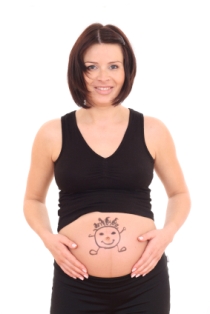
Reflexology is one of the most popular complementary therapies used by women during their maternity because it improves general well-being and vitality. It induces a deep state of relaxation so that her body can adjust to the major changes which are taking place, and it can help to ease or prevent many of the discomforts and ailments which are commonly associated with pregnancy. It Improves blood flow within the whole body, oxygenating the blood which helps the uterus and the baby's placenta. Trials have found that those receiving regular treatments during their pregnancy tend to deliver closer to term and have shorter labours. Reflexology Lymphatic Drainage can also give great relief from Oedema in the hands and feet.
Reflexology can help relieve the following complaints during pregnancy:
- Morning sickness
- Reduce and normalize high blood pressure
- Normalize low blood pressure
- Oedema and reducing swelling in feet and ankles
- Nausea and headaches
- Pain and discomfort
- Backache
- Stress & anxiety
- Improved sleep quality
- Digestive problems – constipation
- Prevention of heartburn
Plus the following benefits
- Oxygenating the baby by improving the blood flow within the whole body, helping the uterus and the baby’s placenta.
- Helping to carry the baby to term
There are some conditions where reflexology should be avoided altogether during pregnancy and these include
- Pre-term labour (less than 37 weeks pregnant)
- Placenta Previa (low lying afterbirth) if grade ii or iii and 32 weeks or more.
- Hydro amnios (too much water around the baby) if 32 weeks or more.
Reflexology is also beneficial post-natal
- Adjusting to the demands of coping with a new baby
- Coping with interrupted sleep and fatigue
- Increase energy levels
- Maintaining or increasing milk supply
- Support as your menstrual cycle returns to normal
- Re-balance the body
- Stabilize body weight
- Prevent post-natal depression
- General relaxation and “Me time”
Article which may be of interest
Babyworld - Reflexology in pregnancy click here to read
Some interesting facts
Dr Motha pioneered the use of reflexology for pregnant mothers in London in 1987. She then set up “The gentle birth preparation programme”(now called “The Jeyarani way” Gentle Birth Method) that included reflexology as one of the main components.
Dr Motha has written articles and also lectured on Reflexology in Maternity to the Association of reflexologists and obstetric units throughout the UK. Her extensive years of experience and knowledge have made her one of the foremost experts in the use of reflexology in pregnancy in the world.
She presented a lecture and workshop at the Clinical Governance in Maternity Services meeting on 16/11/2001 at the Royal College of Obstetrics and Gynaecologists. At this meeting she presented the data from the results of 248 mothers who had enrolled on to “The Jeyarani Way” Gentle Birth Method between 1997-2001, which compared the National Average (NA)to people who had received 4+ treatments (4+) and 9+ treatments (9+).
The results included the following:-
The mothers’ gestation ranged from 36 weeks (twins) to 43 weeks, with the majority of women (45.5%) giving birth at 40 weeks gestation.
Vaginal Birth 79% (NA), 85.2% (4+), 90.6% (9+)
Caesarean section 21.3%*(NA), 14.7% (4+), 9.4% (9+)
*National average 22.4% and in teaching hospitals it is around 30%. Figures include those that had an elective caesarean section.
Induction 21% (NA), 13.3% (4+), 6.5% (9+)
Epidural 33% (NA), 30.5% (4+), 17.2% (9+)
Instrumentation 11% (NA), 6.9% (4+), 6.1% (9+)
Episiotomy 15% (NA), 7.8% (4+), 3.4% (9+)
Intact Perineum not known (NA), 67.2% (4-6 treatments), 96.6% (9+)
Interested to read more about Dr Motha, just Click here
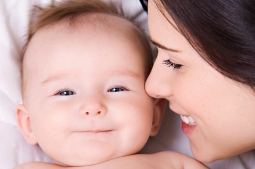
Priming Labour
Reflexology priming labour is a method by which specific reflex points are strongly stimulated with the intention of creating a boost of energy to encourage the onset of labour contractions. Many women who are post-term and have no problems respond well. One or two treatments may be necessary, if no previous reflexology has been given.
I use special music during the treatment, which was created by a midwife to mimic labour. I also give you visualisations and these are practiced during the session, giving you the confidence to manage your labour.
Article may be of interest
Locallyhealthy magazine - How foot massage (reflexology) can help pregnant women deliver click here to read
Baby reflex is specially adapted reflexology for babies from 1 to 24 months
Taught in small groups. A course of three 1-hour classes, run over three consecutive weeks, during which you will be taught the techniques to use reflexology on your baby. Good for relieving colic, wind & constipation. Eases teething pain, Reduces ear & sinus congestion, Enhances sleep, Calms and relaxes. A natural therapy that enhances bonding and gives parents the confidence to settle their baby and help with their well being. Happier baby...Happier you!
The course is broken down into different areas and structured in a way that is easy to learn.
Week 1 - Feeding & Digesting
Week 2 - Sleeping/comforting
Week 3 - Well Being
Back up hand outs and charts are given at the end of each session.
The baby reflex course is £75 which covers three, one hour classes taught over three consecutive weeks, when attending a group session or £150 1-1.
Baby Reflex treatments are also available. First appointment £40 and subsequent appointments £30
Article which may be of interest
Gurgle magazine online - How Baby reflex can help your little one click here to read
Contact me for next available course click here to email me